- Daily AI skills
- Posts
- 1 hour of extra work per week can make you rich
1 hour of extra work per week can make you rich
Taking control of the hard decisions like saving, investing, retirement, and more.

Aryan Singh
February 11, 2024
1 hour of extra work per week can make you RICH
After years of being lazy and not taking control of the hard decisions like saving, investing, retirement, and more - we’ve started this to help you become rich by sending one awesome email every week.
Table of Contents

Few disclaimers and starting points
There is NO get rich scheme, most people make money from a single big source → then diversify their investments → make more money → repeat.
We consider trading as gambling - we will not discuss any TRADING related things. Only short term and long term stock buys - because we want to get super rich, not play with little cash money
Saving is WAY MORE important than you will ever realize. You can make whatever you want, but if you do not have the HABIT of saving - you will lose it all
Patience is key: Success in wealth-building often requires a long-term perspective. Quick riches are rare, and it's essential to stay patient and disciplined with your investments.
Education is an ongoing process: Continuously educate yourself about personal finance, investing, and money management. The more you know, the better decisions you can make.
Emergency fund is non-negotiable: Building and maintaining an emergency fund is crucial. Unexpected expenses can arise at any time, and having a financial safety net is essential.
Set clear financial goals: Define your financial objectives, whether it's buying a home, funding your children's education, or retiring comfortably. Having clear goals can help you stay focused and motivated on your wealth-building journey.
We are NOT financial advisors. We are just people who’ve made some money and want to help everyone else now, for freeUnderstand Compounding
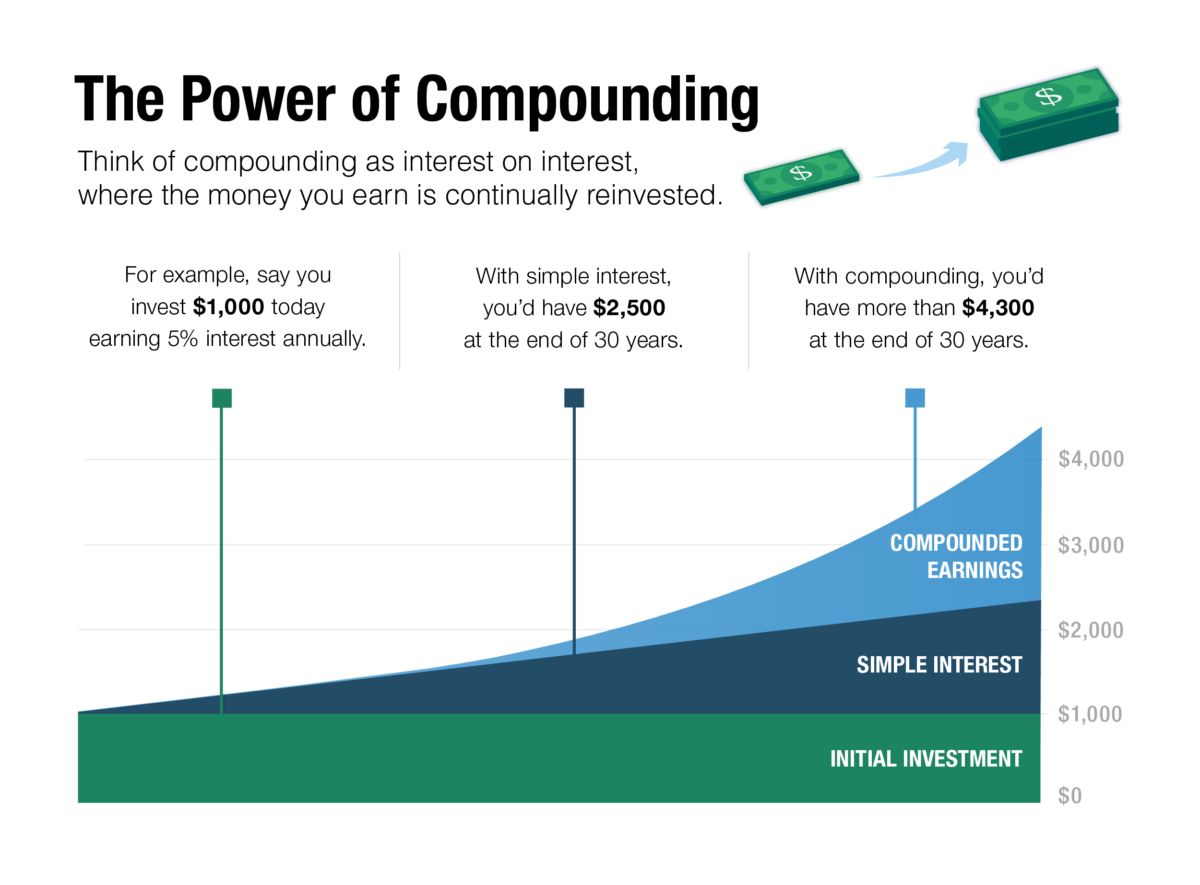
Compounding is a powerful investing concept that involves earning returns on both your original investment and on returns you received previously. For compounding to work, you need to reinvest your returns back into your account.
The answer is clear here:
EARN MORE
SAVE more
INVEST more
INVEST often
We will discuss this in detail (in the next few posts)
We (you are included) are NOT expert at finance
Ask these questions to yourself
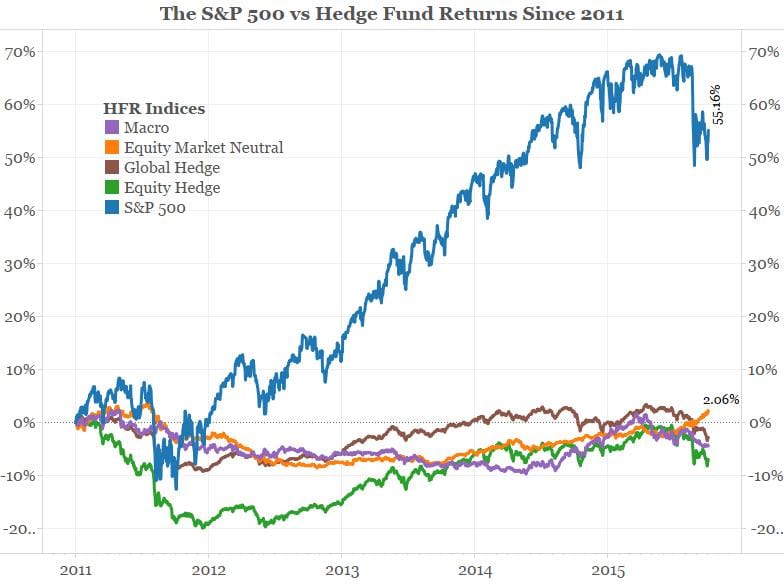
Can you beat a hedge fund?
Can you beat expert traders?
Can you beat algorithms running every milli second?
Can you beat people with 50 years of experience?
Can you surpass trillion dollar funds?
Can you spend hours and hours on unstable finance decisions everyday?
The answer is NO
So keep calm, invest in long term goals and try to stay away from short term goals.
YOU CANNOT BEAT THE S&P 500, SO WHY WASTE TIME THINKING
Topics we will cover (in very heavy detail) - one topic every week
One email per week to change the way you look at personal finance.
1. Investing
Stock Market Investing
Bond Investing
Real Estate Investing
Alternative Investments
Risk Management
2. Retirement Planning
401(k) and IRA Strategies
Early Retirement Planning
Retirement Income Streams
Tax-Efficient Retirement
Social Security Benefits
3. Saving and Budgeting
Emergency Funds
Effective Budgeting
Saving Strategies
Goal-Oriented Saving
Managing Debt
4. Financial Markets
Stock Market Trends
Bond Market Analysis
Commodities Trading
Forex Trading
Cryptocurrency Markets
5. Personal Finance
Credit Management
Wealth Building
Financial Literacy
Financial Independence
Estate Planning
6. Taxation and Tax Planning
Income Taxation
Tax Deductions and Credits
Tax-Efficient Investing
Estate and Inheritance Taxes
Tax Planning Strategies
7. Investment Strategies
Value Investing
Growth Investing
Dividend Investing
Dollar-Cost Averaging
Long-Term vs. Short-Term Investing
8. Asset Allocation
Diversification
Risk Tolerance
Portfolio Rebalancing
Modern Portfolio Theory
Tactical Asset Allocation
9. Financial Instruments
Stocks and Equities
Bonds and Fixed Income
Mutual Funds
ETFs (Exchange-Traded Funds)
Options and Derivatives
10. Real Estate
Buying vs. Renting
Real Estate Investment Trusts (REITs)
Property Management
Real Estate Financing
Real Estate Market Trends
11. Retirement Accounts
401(k) Plans
IRAs (Individual Retirement Accounts)
Roth IRAs
SEP and SIMPLE IRAs
Self-Directed IRAs
12. Financial Security
Insurance (Life, Health, Auto, Home)
Identity Theft Protection
Emergency Preparedness
Retirement Healthcare Costs
Estate and Legal Protection